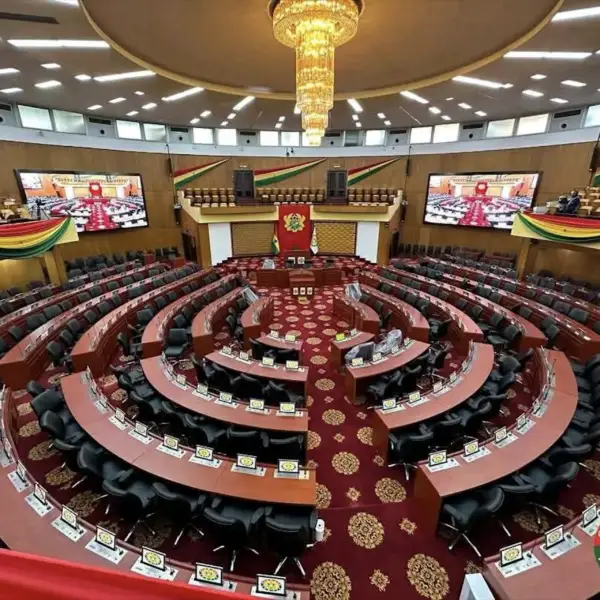
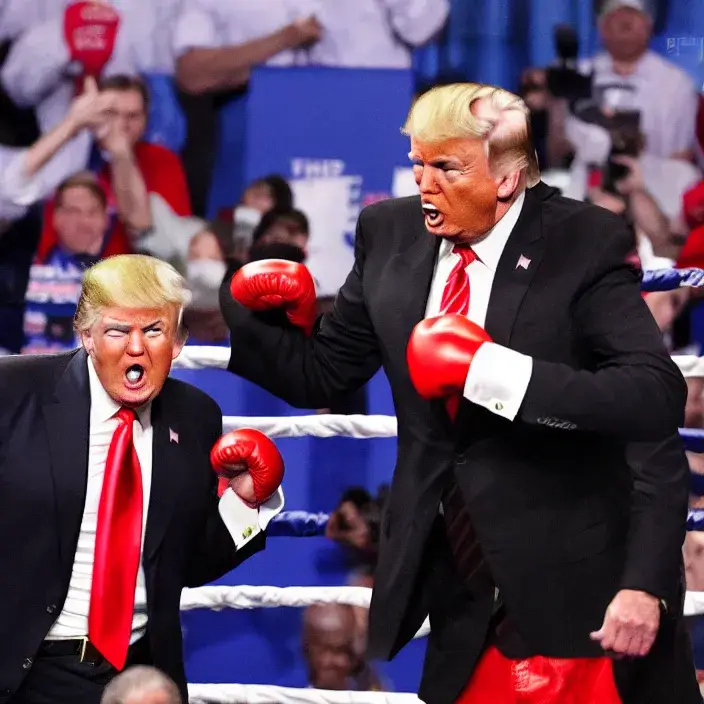
This is a Ghana geopolitics satire — because nobody else was going to write it from the expensive seats of epic fury
Opaquely Minding My Business
This is an important context. I was not in Washington, never have been, but might be one day. I was not in Tel Aviv, checking out how to correctly spell “Israel”, and I was not in Tehran consulting on military strategy or reviewing strike coordinates or approving operation names. Actually, I was in Ghana, minding my business, doing what Ghanaians do. But what do Ghanaians do? We navigate fuel prices, and watch the cedi perform gymnastics against the dollar. We also try to figure out why a bag of maize costs what it costs in a country that grows maize. And finally, we go to bed after watching Indians speaking Twi on national television at prime time.
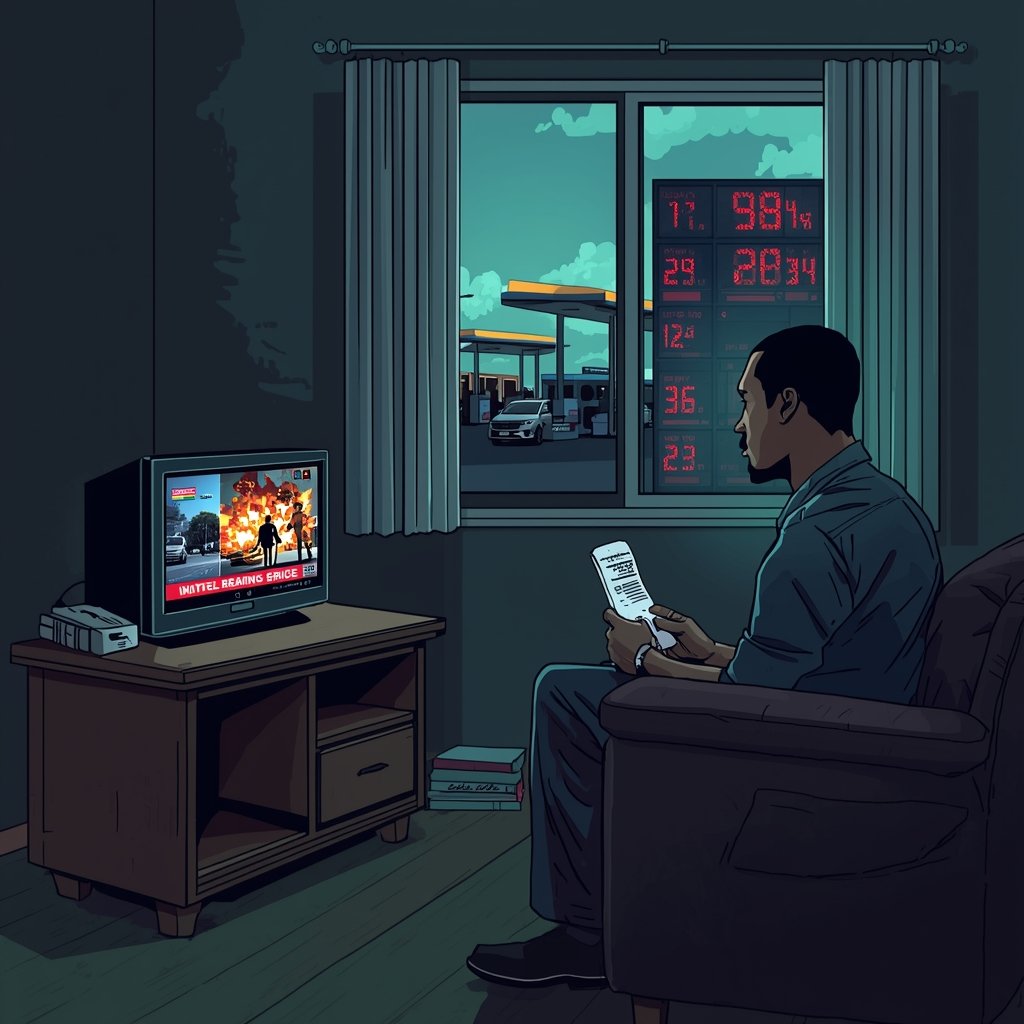
Then I woke up one morning and the world was on fire. Not metaphorically on fire in the way it is usually on fire. Actually on fire. The United States and Israel had launched joint airstrikes on Iran. As a consequence, the Supreme Leader of Iran was dead and the Strait of Hormuz was shut. Additionally, somebody in Washington had looked at all of this, nodded with satisfaction, and named it “Operation Epic Fury.”
Epic Fury! Remember, nobody called Ghana.
Operation Epic Fury
Let us talk about the name for a moment. Operation Epic Fury.
Somebody sat in a room, a very powerful room, presumably with good air conditioning and an impressive snack budget, and out of every word in the English language, chose Epic Fury. Not Operation Save The World, not Operation Careful Consideration of Geopolitical Consequences. Epic. Fury. Two words that sound like they were generated by a thirteen-year-old naming his FIFA career mode team.
Similarly, Donald Trump stood in front of cameras and told the world the operation was going “ahead of schedule.” Ahead of schedule. As though bombing a sovereign nation is a construction project with a Gantt chart and a project manager sending weekly progress reports to stakeholders. Week three update; strikes on schedule, deliverables met, client satisfied.
The man who brought the world tariffs as a personality trait and turned NATO into a subscription service he could cancel had now added war project management to his portfolio way ahead of schedule
Iran Retaliates
Comparatively, Iran, for its part, did not receive the memo about the schedule. In correspondence, retaliatory strikes followed. Then the region caught fire in the way regions catch fire when someone decides that Epic Fury is a proportionate response to centuries of complicated geopolitical tension.
The Strait of Hormuz which moves roughly a fifth of the world’s oil is now closed.
Nobody called Ghana to discuss this either. But the fuel pumps have taken notice and will take appropriate steps soon.
The Measured Response
When the world catches fire, governments speak. This is what they do. They convene, they consult, they craft language that says everything and nothing simultaneously, and they release it to the press with the confidence of people who have fulfilled their obligations to history.
Ghana spoke. And in the tradition of Ghana geopolitics, what Ghana said was both entirely reasonable and entirely insufficient.
The statement urged de-escalation. It expressed concern for regional stability, it focused on the safety of Ghanaian nationals abroad, and was, by all accounts, measured. Carefully, deliberately, architecturally measured. The kind of measured that takes a team of people several hours to produce and another team of people several seconds to forget.
The De-escalation Plea
Nuclear-adjacent powers exchanged strikes across the Middle East, the Strait of Hormuz is now closed, the global oil supply is in active chaos, and Ghana, which imports the majority of its refined fuel, just triumphantly announced it will exit the IMF by April, declaring the beginning of a new era of economic independence urged de-escalation.
It is the diplomatic equivalent of standing next to a burning building with a glass of water and announcing that you are concerned about the situation.
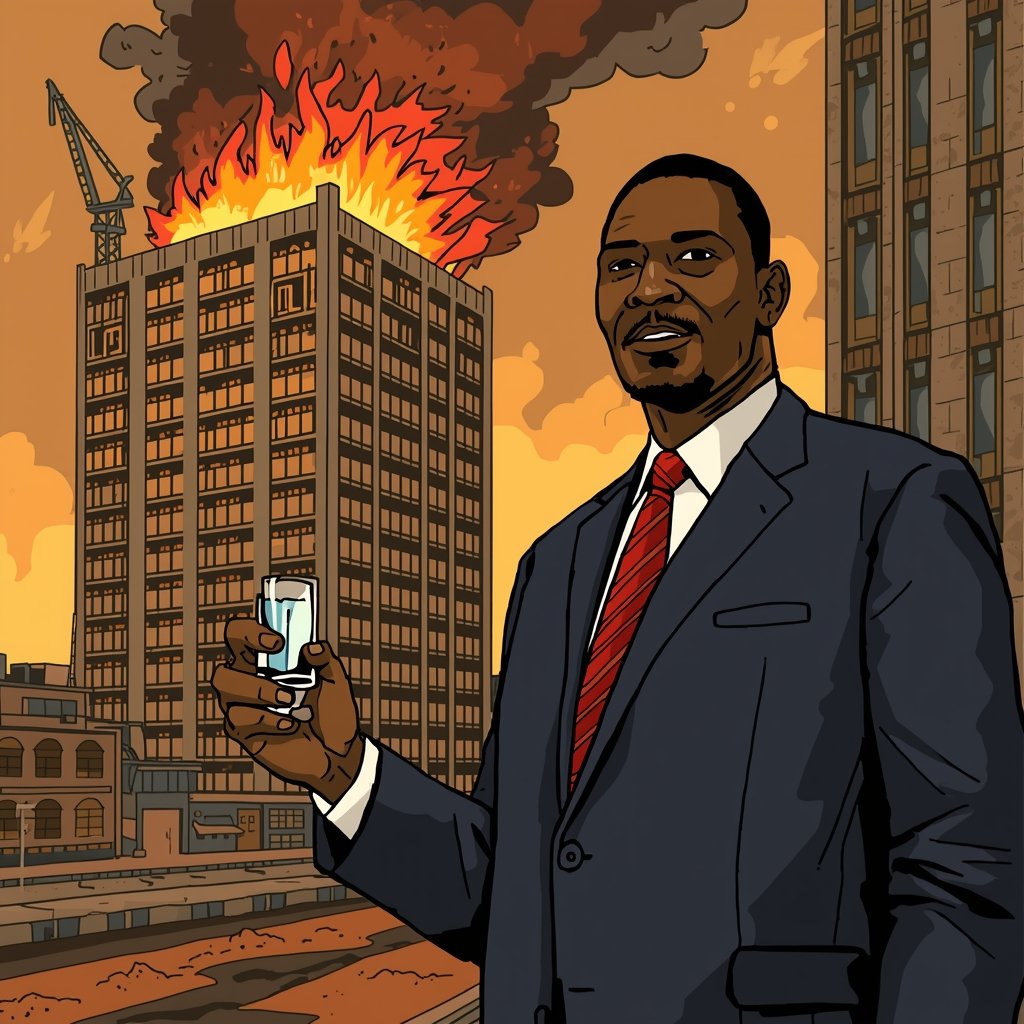
To be fair, what else was Ghana supposed to say? Call Trump directly? Advise Khamenei’s successor on foreign policy? Dispatch the Black Stars to the Strait of Hormuz as peacekeepers? Ghana said what small nations say when large nations do large nation things — measured language, careful tone, urge de-escalation, pray the invoice is not too large.
The invoice, as it turned out, was already in the mail.
Nobody called Ghana. Ghana called nobody either. And somewhere between those two facts lives the entire story of what it means to be a small nation in a world built by and for large ones.
The Effects Arrive Anyway
The Strait of Hormuz is not a place most Ghanaians think about on a regular basis. It is a narrow strip of water between Iran and Oman, roughly 33 kilometres wide at its narrowest point. It is not in Africa neither is it near Africa. No Ghanaian voted on its status, its management, or its future. It is, by every reasonable measure, somebody else’s geography.
And yet this is the part that turns Ghana geopolitics into something heavier than metals, as twenty percent of the world’s oil passes through that strait every single day. Twenty percent. One fifth of every barrel of oil that keeps the world moving — planes, ships, trucks, generators, the fuel pump on the Accra-Kumasi road moves through that 33-kilometre stretch of water that is, again, nowhere near Ghana and none of Ghana’s business.
Except that it is now entirely Ghana’s business.
Analysts warned within 48 hours of the strikes that energy prices could rise by as much as 80 percent. Eighty percent. Ghana, which imports the vast majority of its refined petroleum products, which already has a complicated relationship with fuel prices that predates this war by several decades. Ghana is now looking at an 80 percent potential increase in energy costs because two countries on the other side of the planet decided that this was the right time for Operation Epic Fury.
However, the cedi, which had been attempting a quiet recovery, is looking at the situation and analysing it with its own epic fury.
Ghana’s Market Reacts Differently
Prices in the market do not wait for official announcements. They never will. The tomato seller knows before the economists will publish their reports, the transport operator knows before the government issues a statement. Also, the woman running a coldstore, with her generator because ECG had a different agenda that afternoon, knows in the way Ghanaians always know, through the body, through the pocket, through the particular arithmetic of survival that this country has made its citizens experts in.

The bill from Operation Epic Fury
It will come without a return address, it will come without an explanation. Additionally, it will come, as these bills always come to countries like Ghana, quietly and inevitably — the consequence of decisions made in rooms Ghana was not invited into, by people who will not feel the consequences of those decisions in their own pockets.
Ghana Was Already There
Here is the part nobody put in the headline.
While Ghana was urging de-escalation from Accra, while the next measured language was being carefully constructed and released to the press, and the next statement was being drafted by people in air-conditioned offices who would go home safely that evening, three Ghanaian peacekeepers serving with UNIFIL were hit by a missile.
Three Ghanaians.
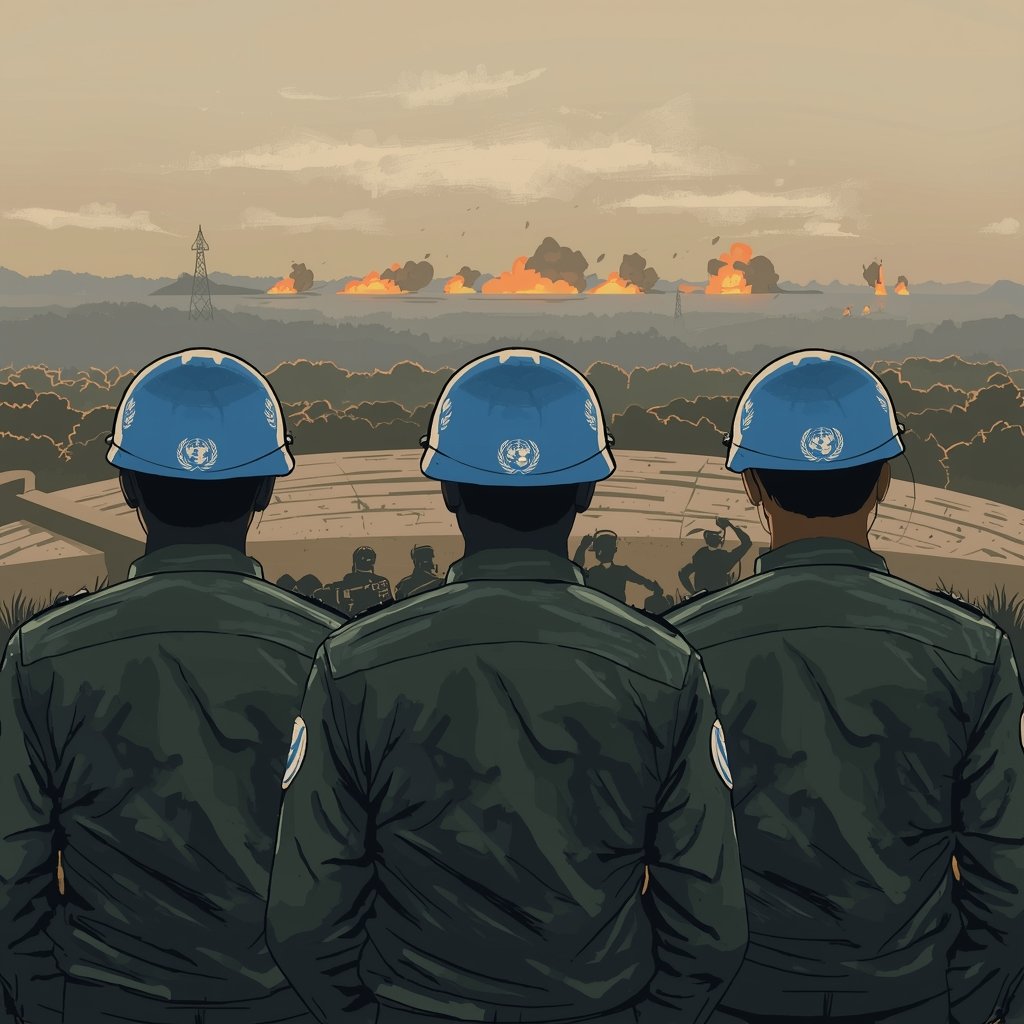
Not Americans, not Israelis, not Iranians, but Ghanaians. People who left this country, left their families, left their compounds and their neighbourhoods and their favourite kelewele joints, and went to serve as peacekeepers in a region that was supposed to be, by definition, the place where peace was being kept.
There is a particular cruelty in that word. Peacekeepers. They went to keep peace and the peace was replaced, without their consultation, by Operation Epic Fury.
Ghana was already in this war before Ghana knew there was a war. Three Ghanaians were already inside the consequences before the consequences had been announced, and after the statement urging de-escalation had been released. They were there, in uniform, doing the work that small nations do in international institutions — showing up, contributing, being present in the quiet hope that presence earns protection.
But it does not always earn protection.
This is the part that hits heaviest. Not the fuel prices, not the cedi, not the 80 percent, those are economics and economics can be survived, has been survived, will be survived again. This is three human beings from this country, inside a war they did not start, carrying injuries from a missile fired in a conflict that began in a room they were never invited into.
Nobody called Ghana before the missile was launched.
Nobody called Ghana after.
My Two Cents
Here is what I have learned from watching Operation Epic Fury from the cheap seats.
The world has a system. It is not a fair system, it is not a just system, and it was not designed with Ghana in mind, but it is a system, and it operates with the quiet consistency of something that has been running long enough to no longer need anyone’s permission. Large nations make decisions. Medium nations make alliances. Small nations make statements urging de-escalation and receive the invoice by morning. This is not Ghana geopolitics satire, but rather Ghana geopolitics.
This is not new, neither is it a revelation. Every Ghanaian who has watched the cedi respond to an American interest rate decision, every Ghanaian who has watched cocoa prices set in London for beans grown in the Western Region knows this. Furthermore, every Ghanaian who has stood at a fuel pump and done the arithmetic of a price increase caused by something that happened on the other side of the planet already also knows this. They have always known this. They know it in the body, in the pocket, in the particular tiredness of people who have been absorbing other people’s decisions for a very long time.
What Operation Epic Fury Did
What Operation Epic Fury did was simply make it visible again. Loudly, explosively, with a name that sounds like a video game and consequences that are not a game at all.
And somewhere in Washington, someone checked the Gantt chart and noted that the operation was ahead of schedule.
I keep coming back to that phrase. Ahead of schedule. As though the world is a project, and the consequences have a completion date. As though the woman frying kelewele by the roadside, doing the arithmetic of survival in a country that was not consulted and will not be compensated, as though she is a line item that will eventually be resolved.
She is not a line item. She is Ghana. And Ghana was here before Operation Epic Fury, and Ghana will be here after it, absorbing, adapting, surviving with the particular resilience of people who have never had the luxury of being ahead of schedule.
Finally, and once again, nobody called Ghana. but Ghana picked up anyway.
The Brewed Satire
Disclaimer: Exaggerated ted for a satiric effect
Share via
Tags