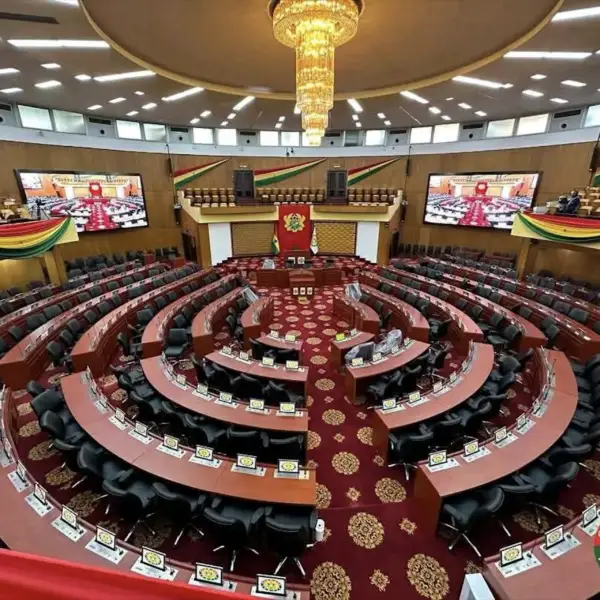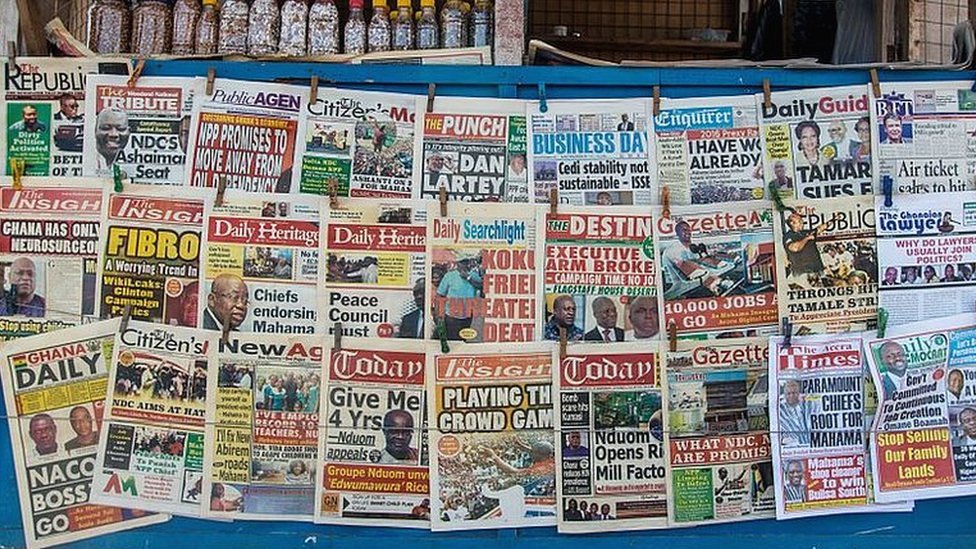
In Ghana, election cycles are often characterized by politicians making grandiose promises that are filled with optimism and a vision for a better future. These declarations tend to create an atmosphere of enthusiasm and hope among the populace, as citizens are coaxed into believing in the potential for expansive infrastructural development, substantial economic growth, and enhanced social welfare programs. It is not uncommon to hear politicians pledging to reduce unemployment rates to zero or to eradicate poverty entirely within a term of office.
With the most fervent ambition, Ghanaian politicians unveil elaborate plans for their envisaged projects, which often sound like they are straight out of a folklore. From constructing state-of-the-art facilities in every district to promising turning rocks into gold, the ideas sound almost utopian but end up being dystopian. The regularity of these promises can, however, lead to skepticism amongst the citizenry, who have observed the cyclical nature of such pledges over many election cycles. The irony lies in the disparity between the ambitious rhetoric presented during campaigns and the eventual reality that unfolds after elections.
This disconnect is sometimes met with a satirical lens, as citizens chuckle at the palpable enthusiasm with which these politicians deliver their speeches. The repeated patterns of these promises create a comical narrative where, after years of pledging to address critical issues, citizens are left staring at the same problems they sought to solve. Regardless of the party affiliation or individual character, the narrative remains remarkably similar. While these promises reflect an idealistic view, they surface the pressing need for accountability and realistic governance in the country. Ultimately, as each administration takes the helm, the weight of previous inequalities and unfulfilled promises continues to loom large in the backdrop of Ghana’s evolving political landscape.
The Everyday Lives of Ghanaian Citizens
In Ghana, the gap between political rhetoric and the lived experiences of its citizens often elicits both concern and a measure of ironic humor. While politicians make bold proclamations about economic growth and national prosperity, the reality for many Ghanaians entails a daily struggle against economic hardship. The cost of buying groceries and foodstuffs for their respective homes takes a significant chunk of Ghanaians’ salaries, rendering about 68% of them unable to save and invest according to a new study. The optimistic economic statistics such as the appreciated Cedi and lower inflation values often published do not translate into tangible benefits for the average person navigating a market where prices seem to inflate overnight.
One of the most conspicuous issues faced by citizens is the inadequacy of infrastructure. For instance, the promise of improved road networks often falls short, leaving commuters to brave pothole-laden paths that can feel more like an obstacle course than a means of travel. During the rainy season, these roads can become nearly impassable, rendering transportation a daunting task. Yet, amidst this frustration, Ghanaians often engage in banter about their daily commutes, demonstrating resilience in the face of adversity.
Healthcare access presents another vital challenge. Despite affirmations from the political arena regarding the improvement of healthcare systems, the reality often tells a different story. Many health facilities are under-resourced, and long wait times can mean that a simple check-up becomes an all-day affair. This paradox does not deter Ghanaians from utilizing humor to cope with their reality. For example, citizens often joke that visiting a hospital may require not just an appointment, but a full day of preparations. Humorous, but true.
Thus, the everyday lives of Ghanaians reflect a spirited navigation through challenges that starkly contrast the political promises that shape national discourse. While politics often paints an overly optimistic picture, the citizens’ resilience and humor reveal their ability to endure and adapt in the wake of such contradictions.
The Disconnect: A Comedy of Errors
The relationship between politics and reality in Ghana often resembles a satirical play, where the script is written in the lofty halls of power, and the performance unfolds in the daily lives of citizens. Politicians frequently paint a picture of progress and optimism, promising a future filled with opportunities and infrastructure advancements. Yet, these promises often remain just that—empty promises, echoing through the corridors of governmental rhetoric.
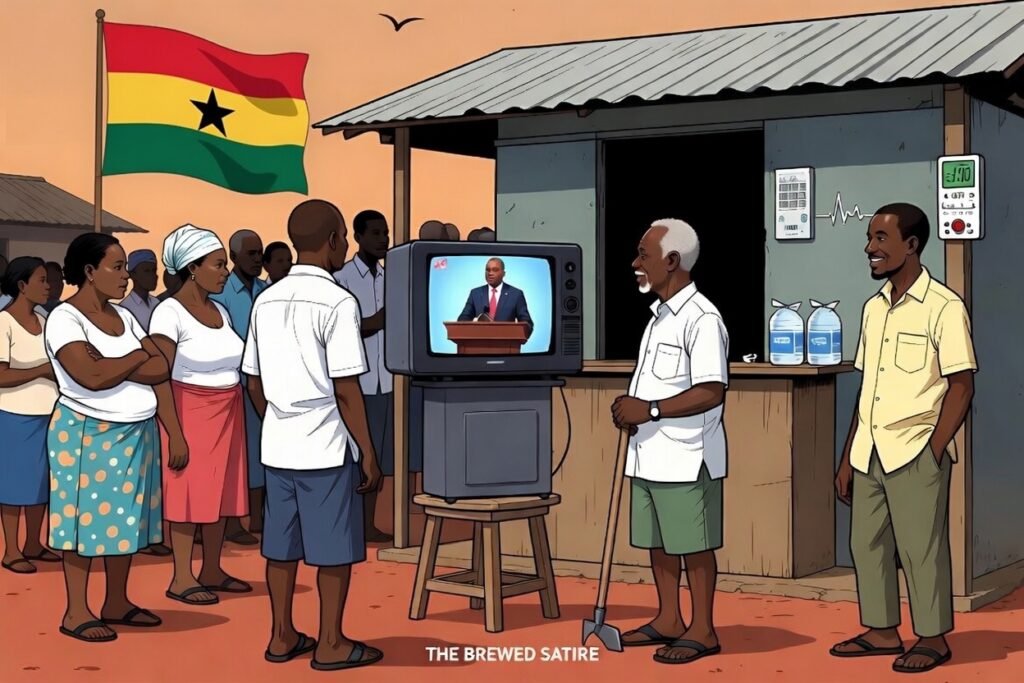
Consider the classic example of the road repairs. Politicians, with their grandstanding and clapping, announce in rousing speeches that potholes will be filled, and roads will be paved, ensuring better connectivity and access to essential services. Yet, an average day on any major thoroughfare in Accra or Kumasi reveals the stark contrast; potholes abound, and traffic congestion remains as formidable as ever. Citizens, witnessing this disconnect, are left scratching their heads, wondering if they are participating in a comedy sketch rather than the serious business of governance.
This trend of disparity between political declaration and societal experience extends far beyond infrastructure. Promises of improved healthcare services and educational reforms often fall short, as citizens continue to suffer the impacts of underfunded hospitals and overcrowded classrooms. The irony is palpable. As politicians tout their achievements in front of cameras, citizens are living the consequences of policies that have not translated into tangible benefits. The gap grows wider, and the humor, albeit gallows humor, encapsulates the frustration felt across the nation.
Nevertheless, this disconnect may have serious ramifications for public trust in politicians and their engagements. If citizens feel their needs are not being addressed and their voices unheard, political apathy may set in. Consequently, the laughter that once accompanied the observations of this chasm could transform into sighs of resignation and disillusionment. The art of satire, thus, not only highlights the disconnect but also serves as a sharp reminder of what is at stake—genuine engagement in the democratic process.
This lands in your inbox every Tuesday and Friday.
Subscribe free — no noise, just the satire
Voices from the Ground: Citizens Speak Out
In the heart of Ghana, citizens often experience a disconnect between Ghana’s election promises made by politicians during campaigns and the realities of their daily lives. Individuals from diverse backgrounds have shared poignant anecdotes that reflect this disparity. For instance, a small-scale farmer from the Ashanti Region expressed his frustration: “We were promised development and support for agriculture, but every season it feels like we are forgotten. Our needs are basic—irrigation and affordable seeds—but politicians come and go without ever addressing them.”
Such sentiments are echoed by many who have witnessed the cyclical nature of political pledges. An educator from Accra spoke to the lack of resources in public schools, saying, “Every election, we hear about educational reforms. Yet, our classrooms remain overcrowded, and our teaching materials are outdated. We deserve better outcomes for our children.”
Moreover, the urban youth have voiced their concerns regarding job opportunities. A young woman from Kumasi stated, “We are tired of waiting for jobs that are promised every four years. My peers and I feel abandoned and helpless in a society where we are told to be the future, yet we cannot find work.”
While the frustration is palpable, there remains a resilient spirit among Ghanaians. A local community leader noted the importance of unity among citizens: “Despite the disappointments, we are learning to advocate for ourselves. Our voices are being heard, not just in the voting booth, but through community discussions and initiatives. We are taking charge of our development.”
This collection of experiences illustrates that while political narratives may differ from the lived realities of the citizens, their voices contribute to a vibrant dialogue. The resilience of Ghanaians amid political challenges shapes their actions and outlook as they strive for accountability and genuine progress in their communities. The Brewed Satire exists for the gaps that exist.
The Brewed Satire
Disclaimer: Article is well and truly exaggerated for a comedic effect. Thanks for your attention to this important matter. TBS.
Share via
Tags