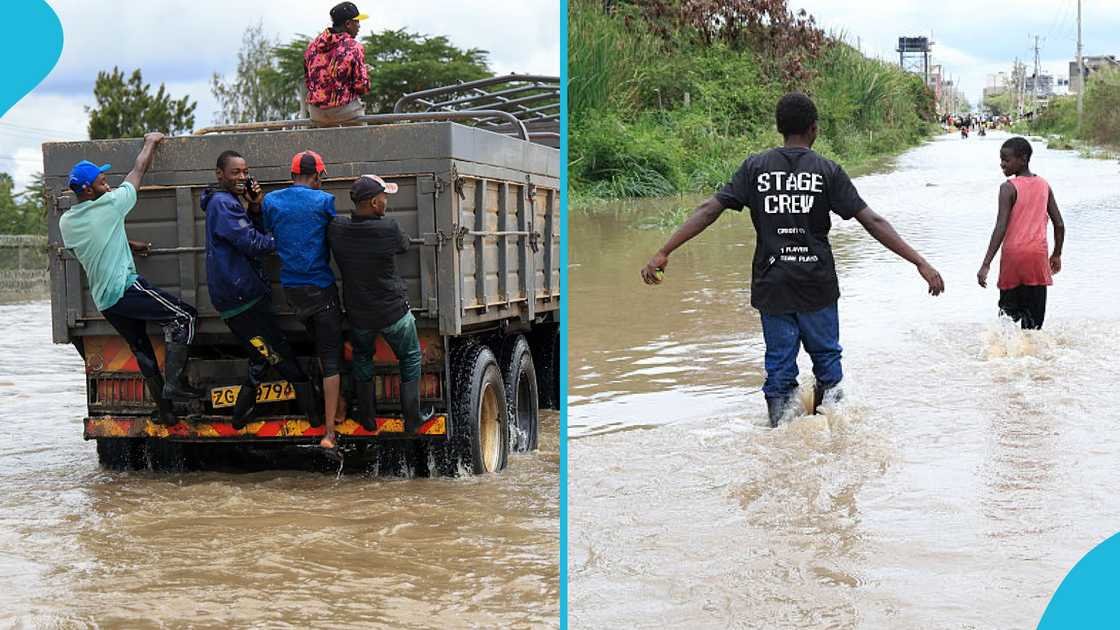
This is a sequel to the earlier satire about flooding in Accra where few drops of rains flooded certain parts of the capital city. We as a people, have mastered the art of acting surprised at an event that runs annually like the TGMAs. The only difference is that, one is not a welcome event. Still we have people asking why Accra floods every year as though the question is not old enough to answer itself. Last week, the rains arrived to answer it again, with Kaneshie going under first, then Darkuman, Adabraka, Alajo and Christian Village, where homes filled with water and vehicles rerouted themselves around streets that had become rivers. Drivers sat in vehicles that were slowly becoming boats, and residents stood on raised ground and watched the intersection they cross every morning become a body of water with ambitions.
Why Accra Floods Every Year, According to NADMO
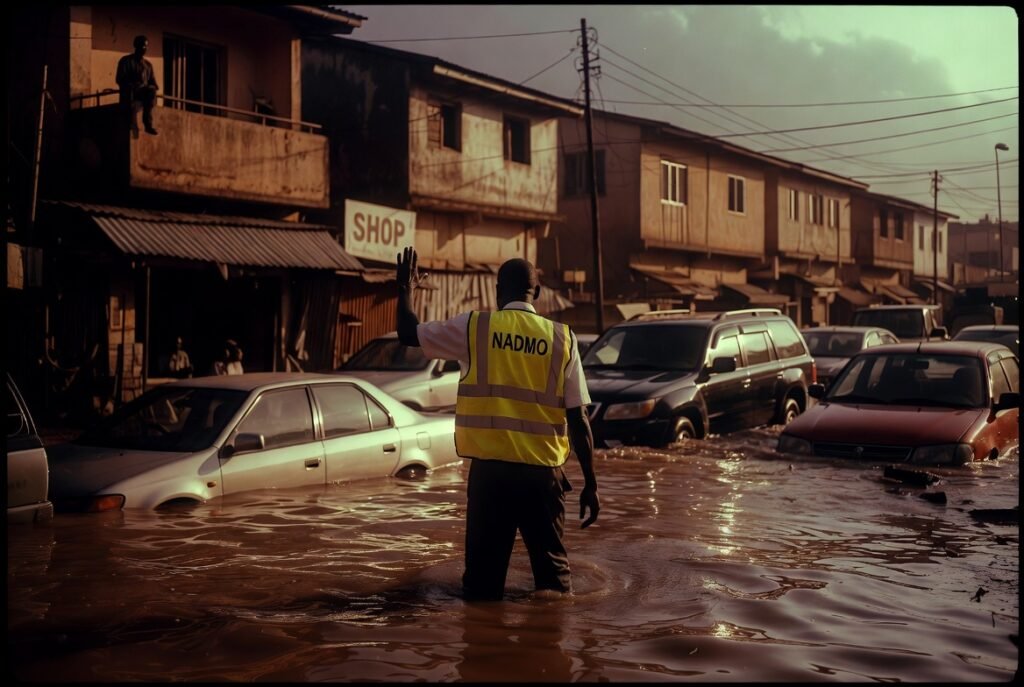
The National Disaster Management Organisation responded with characteristic speed and a clear diagnosis. The NADMO boss urged residents to stop dumping waste into the drains, explaining that blocked channels overflow whenever it rains and that this behaviour is driving the floods. This is accurate. It is also the same statement NADMO has released, in various forms, for the better part of three decades, addressed each time to the same city, which floods each time and receives the statement and then waits for the next rain. Yet, the drainage infrastructure has not expanded to match a capital whose population has doubled since the first time the gutters were designed, but the message to residents has been remarkably consistent.
The promises to provide engineering solutions that are sitting on desks where they gather dust every harmattan. Meanwhile, NADMO, at best, provides responses to disasters after their occurrence. Perhaps, Ghana needs a robust preventive organisation—a National Disaster Prevention Organisation, NADPO.
Decades of Consistent Messaging
A 2022 World Bank study estimated that flood-related losses in Accra cost the Ghanaian economy approximately $200 million annually, or roughly 0.5 percent of GDP, a figure that represents the cumulative annual cost of the drains being full, the roads being rivers and the homes being uninhabitable for several hours every rainy season since the mid-nineties. With every passing year, the flood map expands outward, claiming suburbs that once considered themselves immune, including Madina, Legon and the Airport-to-Tetteh-Quarshie corridor, as unregulated construction continues on waterways and the drainage network remains what it was when Accra was a smaller, more manageable problem. The residents have received thirty years of messages. The drains have received everything else.
This lands in your inbox every Tuesday and Friday.
Subscribe free — no noise, just the satire
A Symbolic Wade In The Floods
Last night, there was a widespread video of the Greater Accra Regional Minister, wading in the flood with her team behind her as a proof of solidarity with the people. It was rib cracking enough to see such a performance still being put up by a politician who is paid to solve the very problem she is wading in. This is no way to discredit her wade in the floods though, at least, she has shown to the people that, a minister too can wade in floods like everyone else. However, there is one plea from the people to the minister: next time, kindly walk on the flood of water, instead, it is more impressive that way.
June Is Coming
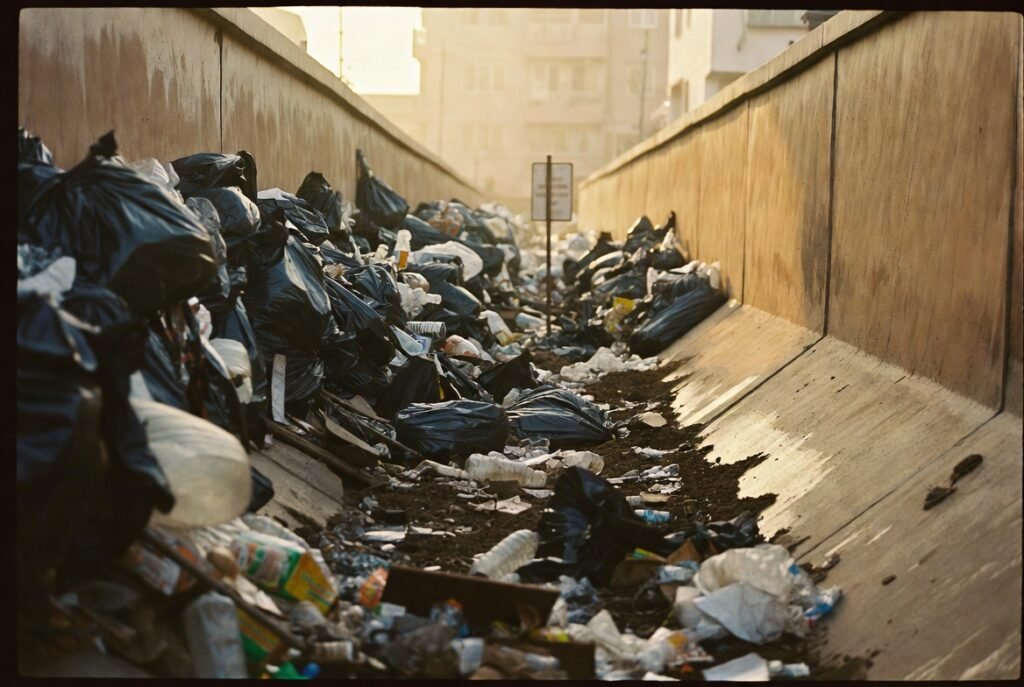
The rainy season in southern Ghana runs from April through October, and June is among its more committed months, which means Accra has approximately four to six weeks before the next significant downpour tests the same drainage system, finds it still blocked, and sends the same water through the same streets to the same addresses. NADMO’s message will be ready.
The cost of living that makes it difficult for residents to relocate away from flood-prone areas will also be ready, though they are encouraged by the regional minister to relocate “temporarily.” The government’s structural response to the thirty-year flooding pattern, which includes the demolition of illegal structures on waterways, the expansion of drainage channels and a long-overdue urban planning review, is being discussed by engineers and planners who have been discussing it for some time. And the only action that will be taken as per usual will be another demolishing exercise. Accra will flood. It will dry. It will flood again. Let’s not be surprised anymore.
The Brewed Satire.
Disclaimer: Article is well and truly exaggerated for a comedic effect. Thanks for your attention to this important matter. TBS.
Share via
Tags