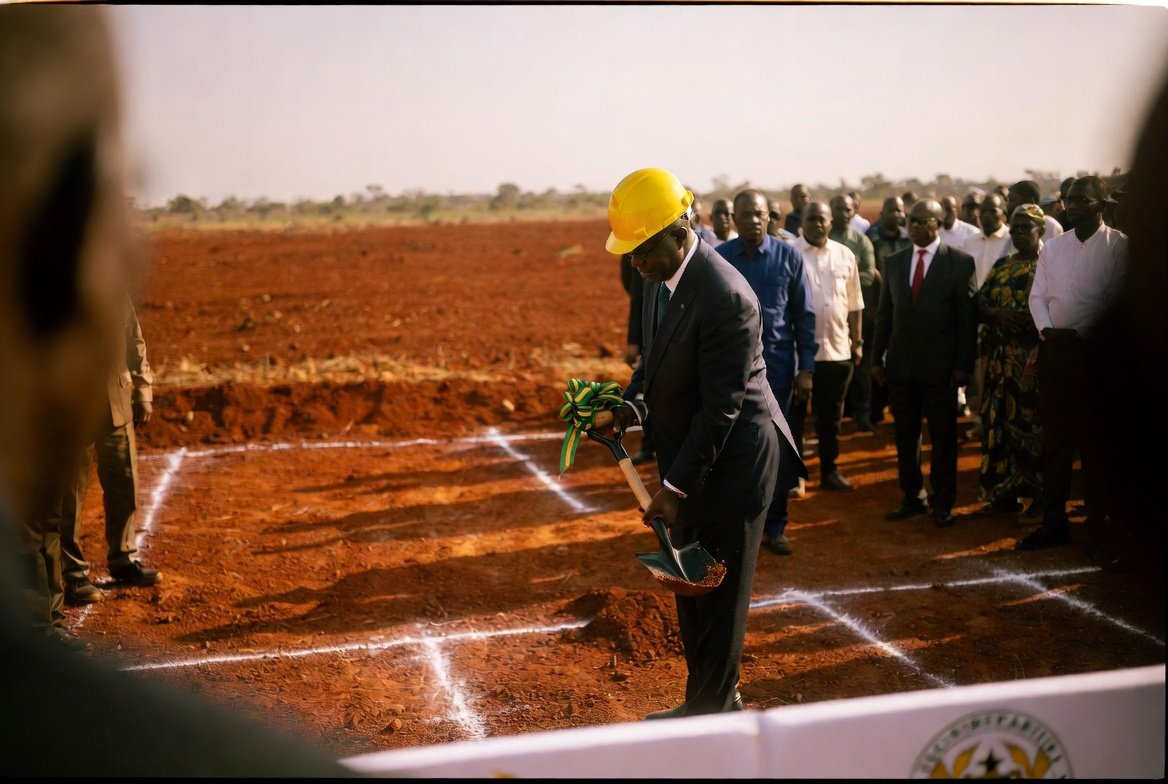
Yendi, Ghana — Ghana’s 24-hour economy sod cutting has officially begun. Sort of. The shovels are working round the clock and the holes are coming along nicely. The actual economy? Still waiting for its shift to start.
On a Tuesday morning, a minister arrived in Yendi. Hard hat? Fitted. Shovel? Ready. Speech? Printed that morning, same as the last five. He thanked the crowd, announced that the 24-hour Economy was coming, and drove to the next district before anyone could ask “when exactly?”
Bimbilla had its ceremony in April. Asesewa on May 5. Bawku West and Kassena-Nankana on May 8. Kukuo Market also got the shovel treatment. The government has been cutting sod since the invention of time. It has cut so much sod that Ghana’s grass is starting to file for unemployment benefits.
There are 261 districts in Ghana. All 261 are scheduled for a 24-hour market. All 261 will first receive a photograph of a man in a hard hat pretending to dig.
The economy that always sleeps at night has even mastered the art of napping while standing up during the day. No surprise.
The Promise That Would Not Stop (Except When It Did)
In 2024, John Mahama made a beautiful promise. Three shifts. Eight hours each. Factories humming at midnight. Markets trading before the rooster wakes up. 1.7 million jobs. An economy that would run until its legs fell off.
It was not just a campaign promise. It was the reason people voted. They imagined themselves working at 2 AM, productive, fulfilled, possibly confused about what time to eat dinner.
Meanwhile, 1.9 million young Ghanaians are not working, not studying, and not training according to the GSS in 2024. And guess what, they were not invited to the sod-cutting ceremonies. But the speeches mentioned them warmly.
“Our youth are our future,” the minister said, wiping dirt from his new boots. “And their future is coming. In about 30 months.” Maybe not.
The Fine Print
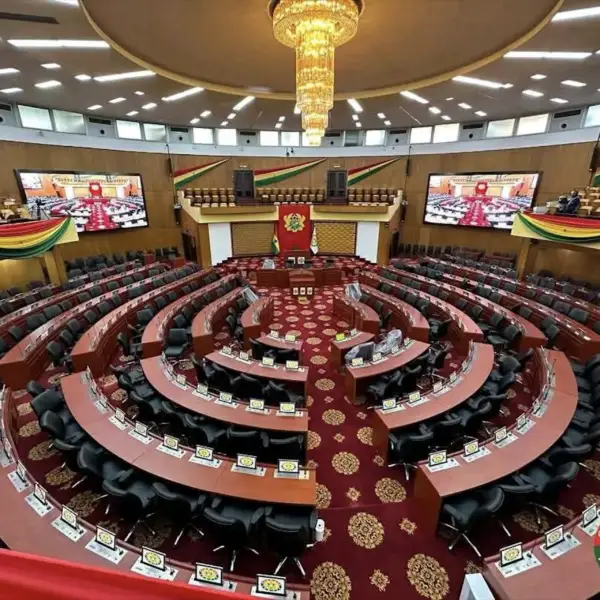
Parliament passed the 24-Hour Economy Authority Bill in 2025. Buried inside, like a secret no one wanted to find, was a small problem.
The law does not require any business to operate 24 hours.
Not one.
The 1-3-3 shift system — the entire backbone of the promise, the thing that made the policy make sense is not in the legislation. It is nowhere to be found.
The NPP Minority called it PR tricks. The government called it a transformational framework.
This lands in your inbox every Tuesday and Friday.
Subscribe free — no noise, just the satire
The Real 24-Hour Economy (No Shovels Required)
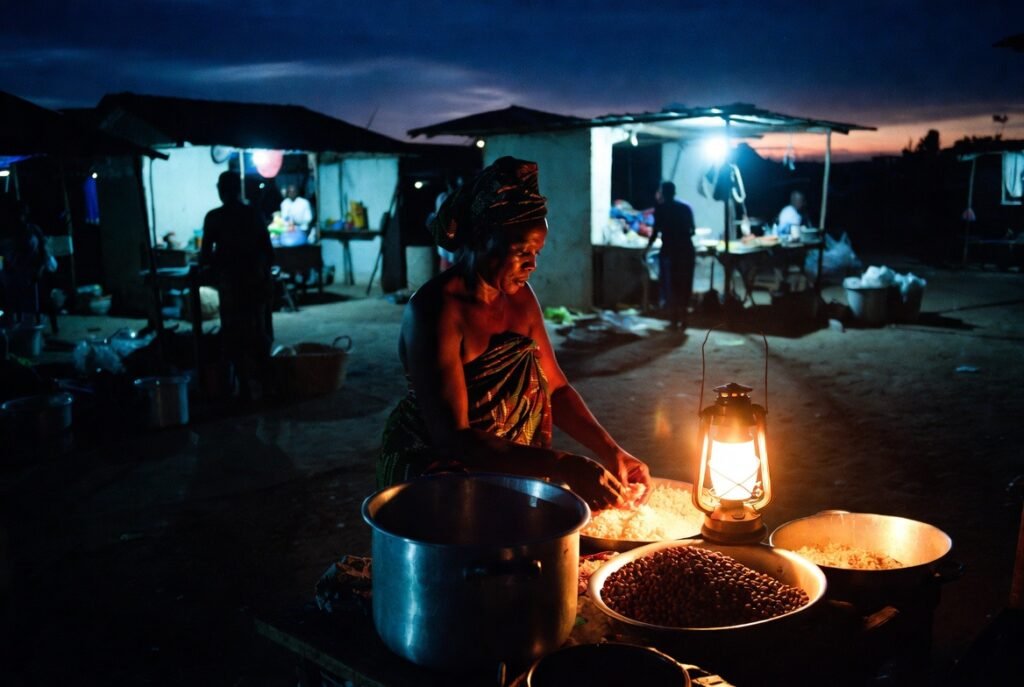
My favourite waakye seller opens before the sun says maakye. She has never attended a sod-cutting ceremony. She does not own a hard hat. She has been running the economy since before the word “manifesto” entered her life.
The V.I.P bus driver from Bawku drives throughout the night. The market women have been holding this country together for decades without a single photograph of them holding a shovel. At night, the noodles sellers hold it down for whoever decides to get hungry late at night.
Ghana’s informal economy has always run on necessity, hunger, and the simple math that if you do not work, you do not eat. It did not need a bill. It did not need a ceremony. It certainly does not need 30 months. It only requires action and tangible results.
The government is building 261 formal markets which will arrive in November 2028. Meanwhile, the waakye seller will still be available, serving her customers like me when most needed.
The Only Thing on Schedule
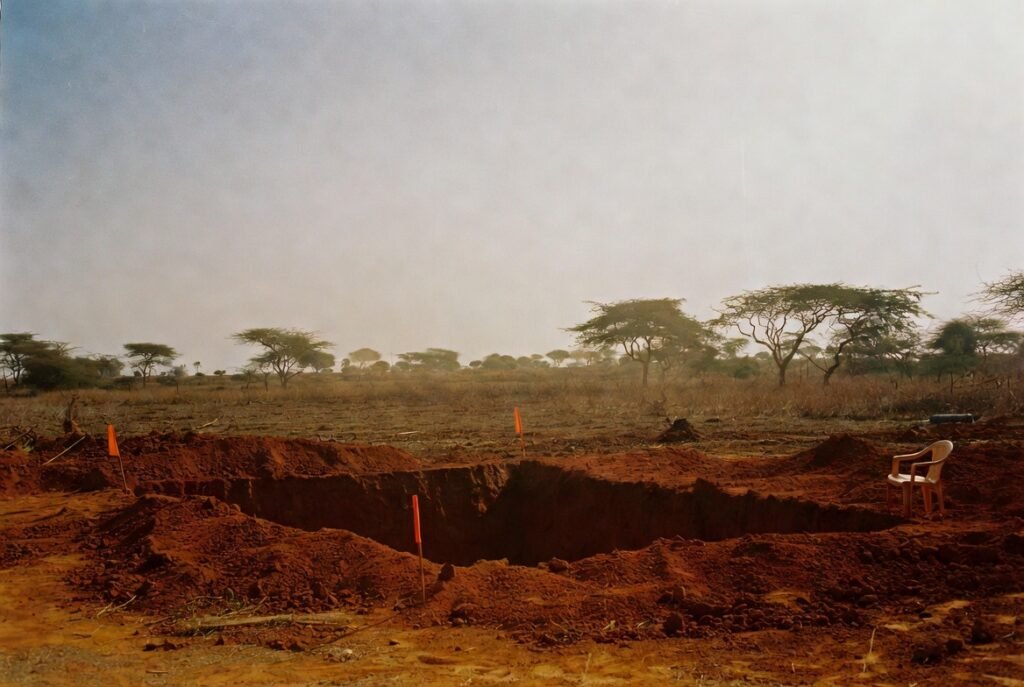
As of May 14, 2026, sod has been cut in six towns. Photographs have been posted. Speeches have been delivered. Crowds have gathered in front of empty ground, clapping for a hole.
Ghana has seen this before. The announcement arrives first, wearing a nice suit. The construction follows when it is ready, usually limping. The ribbon is cut by whoever happens to be in office that year, often the same person who announced it originally. If not the same person in office, then you know what follows right?
The 200,000 jobs, they say, are coming are still waiting to set off. The markets are also 30 months away from now.
But the sod? The sod arrived exactly on time and has never been late. It has outperformed every other part of this promise so far.
At the next ceremony, people should applaud the sod. It is the only thing that has actually shown up at the moment. What happens next after the sod? Time will definitely tell.
The Brewed Satire.
Disclaimer: Article is well and truly exaggerated for a comedic effect. Thanks for your attention to this important matter.TBS.
Share via
Tags